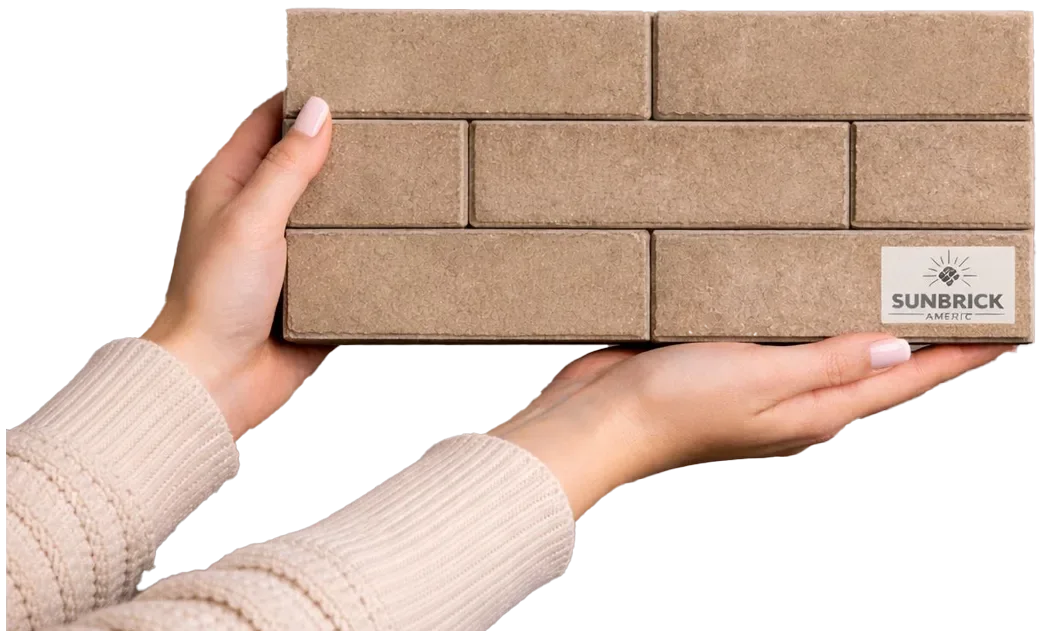
Factory-direct thin brick supply for Inland Empire
Inland Empire quotes should identify whether material ships to a warehouse, commercial dock, distribution facility, jobsite, showroom or residential address, plus forklift, liftgate, appointment and pallet-handling requirements. Sunbrick supports contractors, architects, designers, dealers and qualified project owners with product information and volume quotes.
Applications in the Inland Empire market
Strong project opportunities include retail centers, logistics office interiors, restaurants, residential renovations. Natural is the standard color, and custom color or decorative directions can be reviewed for qualified projects.
Inland Empire architecture and design context
Inland Empire thin brick requests often connect to Riverside historic commercial character, Redlands and Claremont residential details, Ontario and Rancho Cucamonga retail and hospitality interiors, warehouse-adjacent office spaces, logistics campuses and fast-growing residential communities that need durable-looking clay texture without full-depth masonry.
Climate and exterior project review
Inland Empire exterior applications require review for high heat, sun exposure, wind, thermal movement, substrate condition, drainage, flashing and setting-material selection.
Inland Empire architecture and growth references
The Inland Empire is a high-value coverage opportunity because it combines fast-growing residential communities, logistics campuses, retail corridors, hospitality, restaurants and contractor-driven construction demand. Riverside historic commercial buildings, Redlands residential details, Ontario and Rancho Cucamonga retail centers, Corona and Fontana growth corridors and warehouse-adjacent office spaces all create different reasons to specify thin brick veneer. The common thread is practical: project teams often want a warmer masonry look without the weight, depth or structural requirements of full brick.
Climate considerations for Inland Empire projects
Exterior applications in the Inland Empire need review for high heat, intense sun, wind, thermal movement, substrate condition, drainage, flashing and setting materials. Interior projects are usually cleaner for restaurants, retail centers, offices, multifamily amenities, fireplaces and residential remodels. For exterior accents, the responsible professionals should confirm the complete assembly before ordering. Heat-protected storage and realistic installation sequencing also matter, especially when material is delivered to an exposed construction site or warehouse yard.
Common Inland Empire residential applications
Residential demand can include fireplace surrounds, kitchen walls, entry features, stair walls, home offices, covered patio transitions and larger remodels in communities where homeowners want texture that complements stucco, plaster, wood beams, stone and tile. Thin brick veneer can support Spanish, craftsman, ranch, modern farmhouse and desert-influenced interiors. Homeowners should provide wall dimensions, photos, delivery access, finish direction, grout preferences and installer timing so Sunbrick can review samples and project quantities before freight is quoted.
Common Inland Empire commercial applications
Commercial opportunities include retail centers, restaurants, logistics office interiors, tenant improvements, fitness studios, showrooms, multifamily amenities, hospitality features and dealer or contractor supply. Because the Inland Empire has strong warehouse and distribution infrastructure, some orders may ship to a commercial dock or contractor warehouse instead of a jobsite. Quote requests should identify order type, square footage, delivery ZIP code, dock or forklift access, liftgate needs, appointment requirements and whether the order supports a single project or recurring demand.